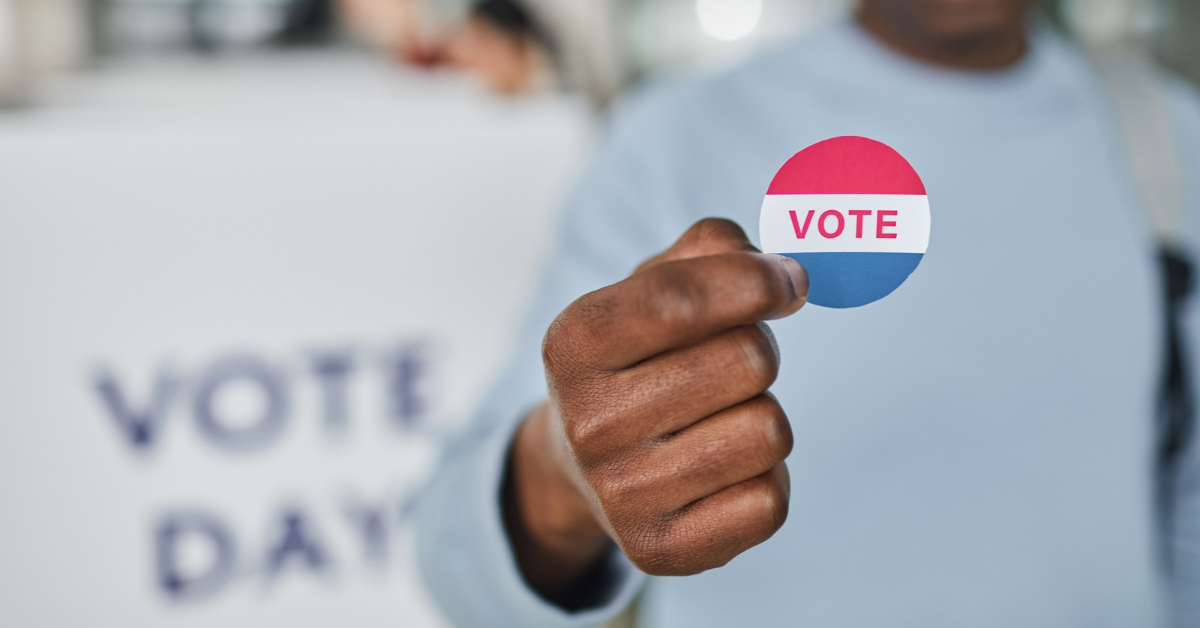
The 2026 midterm elections have delivered a historic political shift, and while much of the attention has focused on the balance of power in Washington, the results could also have significant consequences for the future of artificial intelligence. With Democrats winning control of both the House and Senate, the technology industry is facing the prospect of greater regulatory scrutiny, new legislative priorities, and renewed debate about just how quickly AI development should proceed.
Artificial intelligence has evolved from a relatively specialized technology into a major political issue, with questions about employment, privacy, infrastructure, and consumer protection influencing voters across the country. Several AI-related bills have already been introduced or enacted in 2026, and the election results suggest that technology regulation could become an even more prominent part of the national conversation. For businesses that have spent the past several years exploring AI tools, investing in automation, or simply trying to keep up with the rapid pace of technological change, the question is what happens next.
The November 3 election marked a significant change in Washington, returning congressional control to Democrats while President Donald Trump remains in office. The resulting divided government could make sweeping federal legislation difficult to pass, but it also creates new opportunities for congressional investigations, regulatory oversight, and debate about the technology industry’s responsibilities.
The Trump administration has generally favored an innovation-focused approach to AI, emphasizing American competitiveness and reducing regulatory obstacles that could slow development. Many Democratic lawmakers, meanwhile, have called for stronger protections surrounding AI safety, consumer privacy, employment, and the environmental consequences of expanding computing infrastructure.
These positions are not necessarily mutually exclusive. Lawmakers from both parties have expressed concerns about national security, foreign competition, and protecting Americans from harmful uses of AI. However, they often disagree about how much government oversight is appropriate and whether regulation could unintentionally place American technology companies at a disadvantage.
The incoming Congress could bring more hearings, investigations, and legislative proposals targeting AI developers. Whether these efforts translate into enforceable federal laws will depend on bipartisan negotiations and the willingness of the White House to support them.
Although the election itself did not create new AI regulations, lawmakers entered the final months of 2026 with several significant proposals already under consideration. One of the more aggressive proposals, the Ban Artificial Superintelligence Act of 2026, introduced in September as H.R. 10538, would establish a federal Department of Artificial Intelligence and create oversight mechanisms for advanced AI systems. The proposal reflects growing concerns that increasingly capable models could present risks that existing regulatory structures are not equipped to address.
Another proposal, the Artificial Intelligence Data Center Moratorium Act, introduced as H.R. 9442, seeks to pause construction of new data centers until Congress establishes additional safeguards surrounding AI development. Related proposals would require greater transparency about data center energy and water consumption or shift more infrastructure costs onto large electricity consumers.
These proposals remain distinct from enacted legislation, and their ultimate prospects are uncertain. Nevertheless, they illustrate how the political conversation has expanded beyond the software itself to include the enormous physical infrastructure required to support it.
Meanwhile, state governments have continued establishing their own AI regulations. According to the National Conference of State Legislatures, 44 bills addressing AI in political messaging were introduced during 2026, with nine enacted. These measures focus on issues such as identifying AI-generated political content, disclosing synthetic media, and restricting deceptive election-related deepfakes.
The result is an increasingly complicated regulatory environment in which businesses may face different requirements depending on where they operate, what data they process, and how they use AI.
Perhaps one of the most consequential developments from this year’s election was the growing political opposition to data center expansion. The infrastructure supporting modern AI requires tremendous computing capacity, electricity, cooling, and water. As technology companies invest in increasingly powerful systems, communities across the country have begun questioning who should bear the costs associated with these facilities.
During the midterms, numerous local ballot measures restricting data center development received voter support. Candidates advocating stronger oversight of data center construction also performed well in several important races, including Texas, where Governor-elect Gina Hinojosa has supported additional safeguards.
Residents have raised concerns about increased utility costs, water consumption, environmental impacts, and the use of public incentives to attract major technology investments. For AI developers, additional permitting requirements and infrastructure restrictions could make expansion slower and more expensive. Some projects may be delayed, relocated, or redesigned to accommodate new energy requirements.
However, these developments do not necessarily mean AI innovation will grind to a halt. Demand for computing power remains substantial, and companies have powerful financial incentives to find alternative energy sources, improve hardware efficiency, and develop models that require fewer resources. In fact, increased pressure on infrastructure could encourage technological advancements in efficiency, creating opportunities for companies that can deliver comparable AI capabilities with lower operating costs.
So, could AI regulations slow innovations?That depends largely on what regulations are ultimately adopted and how they are implemented. Supporters of stronger oversight argue that reasonable safeguards could increase public confidence in AI, protect consumers, and establish clearer expectations for businesses developing or deploying the technology. Regulations covering transparency, data protection, and system reliability could also help address concerns that have discouraged some organizations from adopting AI.
Critics argue that excessive regulation could create expensive compliance obligations, disproportionately affecting smaller developers that lack the resources of major technology companies. Different requirements across states could further complicate development and discourage investment, both concerns deserve consideration.
The technology industry has historically demonstrated an ability to innovate in response to regulatory changes, but those changes can influence which companies succeed, where investments are made, and how quickly products reach customers. A particularly important question is whether Congress can establish a consistent federal framework or whether states will continue developing their own increasingly complex requirements. For now, businesses should prepare for continued regulatory uncertainty rather than assume that any single election will determine the long-term direction of AI.
For most small and midsized businesses, the immediate impact of the election is likely to be relatively limited. Organizations already using AI-assisted productivity tools, automated customer service, document processing, or business analytics generally have little reason to abandon these investments solely because of the election results.
However, there are several developments worth monitoring:
- Data privacy and governance: Future regulations could introduce additional requirements surrounding the collection, processing, and storage of information used by AI systems. Businesses should understand where their information is going and whether their technology vendors provide adequate security and transparency.
- Costs and availability: Changes to data center development, energy pricing, and compliance requirements could eventually influence the cost of cloud computing and AI subscription services. These effects are uncertain, but businesses should avoid assuming today’s pricing models will remain unchanged indefinitely.
- Employee productivity and workforce changes: AI’s potential impact on employment remains a major political concern. New workforce development initiatives or employer requirements could emerge, particularly as organizations expand automation into additional business functions.
- Technology planning: Companies should evaluate AI investments based on measurable business value rather than political momentum or industry hype. Tools that genuinely improve efficiency, reduce repetitive work, or strengthen customer service can remain worthwhile regardless of which party controls Congress.
Businesses should also recognize that technological progress rarely follows a predictable political timeline. New regulations may take years to develop, face legal challenges, or change substantially before implementation. The most practical approach is to stay informed while maintaining flexibility.
Despite the dramatic political developments of the past week, artificial intelligence is unlikely to disappear from the business landscape. The underlying research, commercial demand, and competitive pressures driving AI development remain substantial. What may change is the pace and direction of that development, greater oversight could encourage companies to prioritize reliability, transparency, and security instead of focusing exclusively on releasing increasingly powerful models. Restrictions on computing infrastructure could accelerate research into more efficient systems. Alternatively, prolonged political disagreements could create uncertainty that discourages investment or complicates technology deployment.
It is also worth remembering that the incoming Congress will not take office until January 2027. Any major policy shifts will require additional legislative action, and the administration will retain considerable influence over which proposals ultimately become law. The coming months will provide a clearer picture of whether policymakers can reach compromises that encourage innovation while addressing the legitimate concerns raised by consumers, businesses, and communities.
For organizations evaluating their technology strategies, there is no need to predict every political outcome. Making informed investments, protecting sensitive information, and building adaptable systems are far more valuable than attempting to anticipate every regulatory development.
At Valley Techlogic, we understand that keeping up with technology can be challenging, especially when political changes, new regulations, and emerging technologies create additional uncertainty. Whether artificial intelligence continues advancing at its current pace, encounters additional regulatory hurdles, or takes an entirely different direction, your business still needs technology that is dependable, secure, and aligned with your goals.
Our team helps businesses manage their IT infrastructure, strengthen cybersecurity, maintain reliable cloud services, and evaluate new technologies based on their practical benefits. If AI makes sense for your organization, we can help you explore opportunities to incorporate it responsibly. If it doesn’t, there are still countless ways to improve efficiency, security, and productivity through a well-planned technology strategy. Political winds may change, and the technologies dominating today’s headlines may look very different tomorrow. What shouldn’t change is your ability to rely on your IT systems to support your business. Reach out to Valley Techlogic today to get support for your systems now and in the future.

- While China’s AI bubble may have popped, it’s still business as usual in the US
- Is your website at risk to the new widespread PHP vulnerability? What’s happening and how to make sure your website is secure
- Email scams have grown more sophisticated and realistic, here are 5 ways you can still tell
- Meta announced Muse and OpenAI announced Dots, are cutesy avatars the way to mass market appeal with real world application or a cheap gimmick?
- 6 Reasons to restrict admin access to company devices
This article was powered by Valley Techlogic, leading provider of trouble free IT services for businesses in California including Merced, Fresno, Stockton & More. You can find more information at https://www.valleytechlogic.com/ or on Facebook at https://www.facebook.com/valleytechlogic/ . Follow us on X at https://x.com/valleytechlogic